
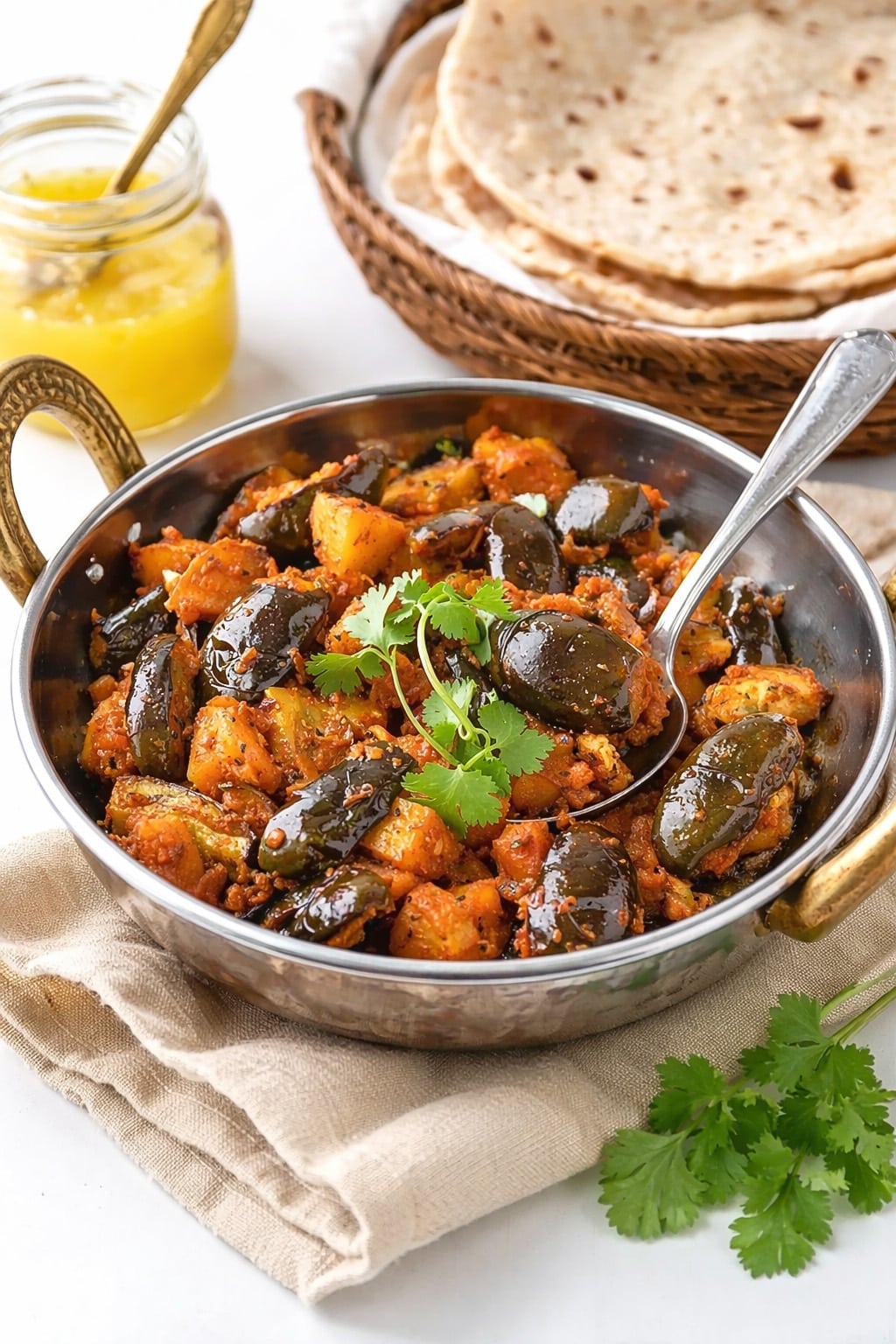
Achari Baingan Aloo Recipe, this North Indian-style dry sabzi is tangy, robust, comforting, and packed with the signature taste of achar masala in every bite. It is a simple vegetarian and gluten-free dish that pairs beautifully with roti, paratha, or dal for a satisfying homemade meal.
So, if you love recipes that are big on flavor yet made with pantry staples, this achari baingan aloo deserves a place on your menu.
During the summer, one of my favorite weekend traditions is visiting the local farmers market, where the air is filled with the fresh aroma and vibrant colors of seasonal produce. As summer begins to wind down, I make it a point to stock up on vegetables that are not as easy to find during the winter months.
Small eggplants for Achari Baingan Aloo, large eggplants for baingan bharta, karela, fresh fenugreek leaves, mint, and many more always make their way into my basket.
What is Achari Baingan Aloo?
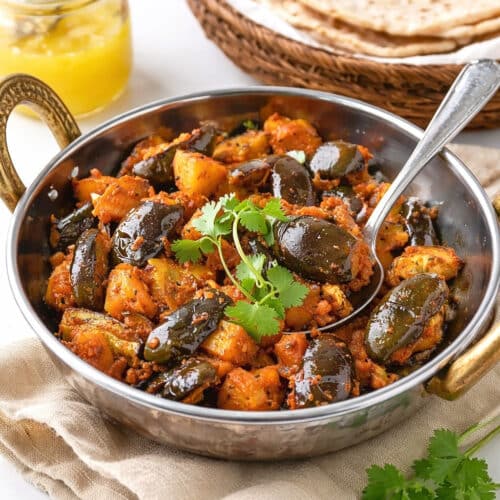
Achari Baingan Aloo is a delicious Indian sabzi made with small eggplants, potatoes, onions, and an aromatic pickled spice blend. The word achari comes from achar, which means pickle. The bold, spicy blend of aromatic pickling spices create the most irresistible combination of flavors in this Achari Baingan Aloo Recipe.
Instead of a typical curry flavor, this recipe uses the same classic spices found in Indian pickles such as fennel, mustard, fenugreek, nigella, and cumin.
These spices are first dry roasted to release their oils and deepen their flavor, then coarsely ground and added to the vegetables. The result is a dish that is earthy, slightly tangy, gently smoky, and wonderfully spiced.
This Achari Baingan Aloo recipe has the warmth of home-style cooking and the boldness of a restaurant-style sabzi, all while staying easy enough for a weekday meal.
What does Achari Baingan Aloo taste like?
It tastes bold, tangy, spicy, and deeply aromatic. The potatoes add comfort and heartiness, while the eggplants become soft and silky, absorbing the achari masala beautifully.
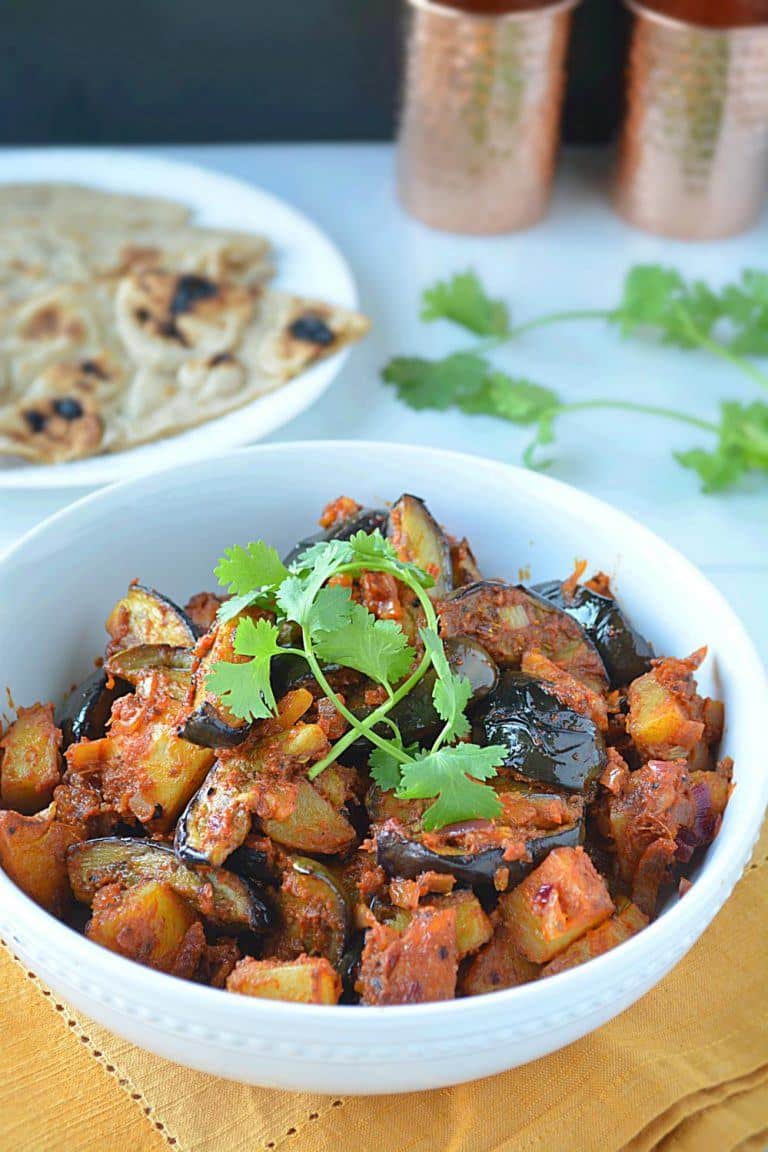
This North Indian eggplant potato curry pairs beautifully with roti, paratha, or dal-rice.
Reasons You’ll ♡ Achari Baingan Aloo Recipe
Achari Eggplant is one of those humble everyday Indian recipes that you will love because:
- Bold achari flavor with tangy, roasted spices
- Made with simple pantry-friendly ingredients
- Naturally vegetarian and gluten-free
- Pairs well with roti, paratha, or dal-rice
- Great for meal prep and tastes even better later
- A delicious way to enjoy baby eggplants!
Today’s recipe is inspired by one of my mom’s signature dishes. It was one of her all-time favorites and a regular, much-loved part of our meals at home.
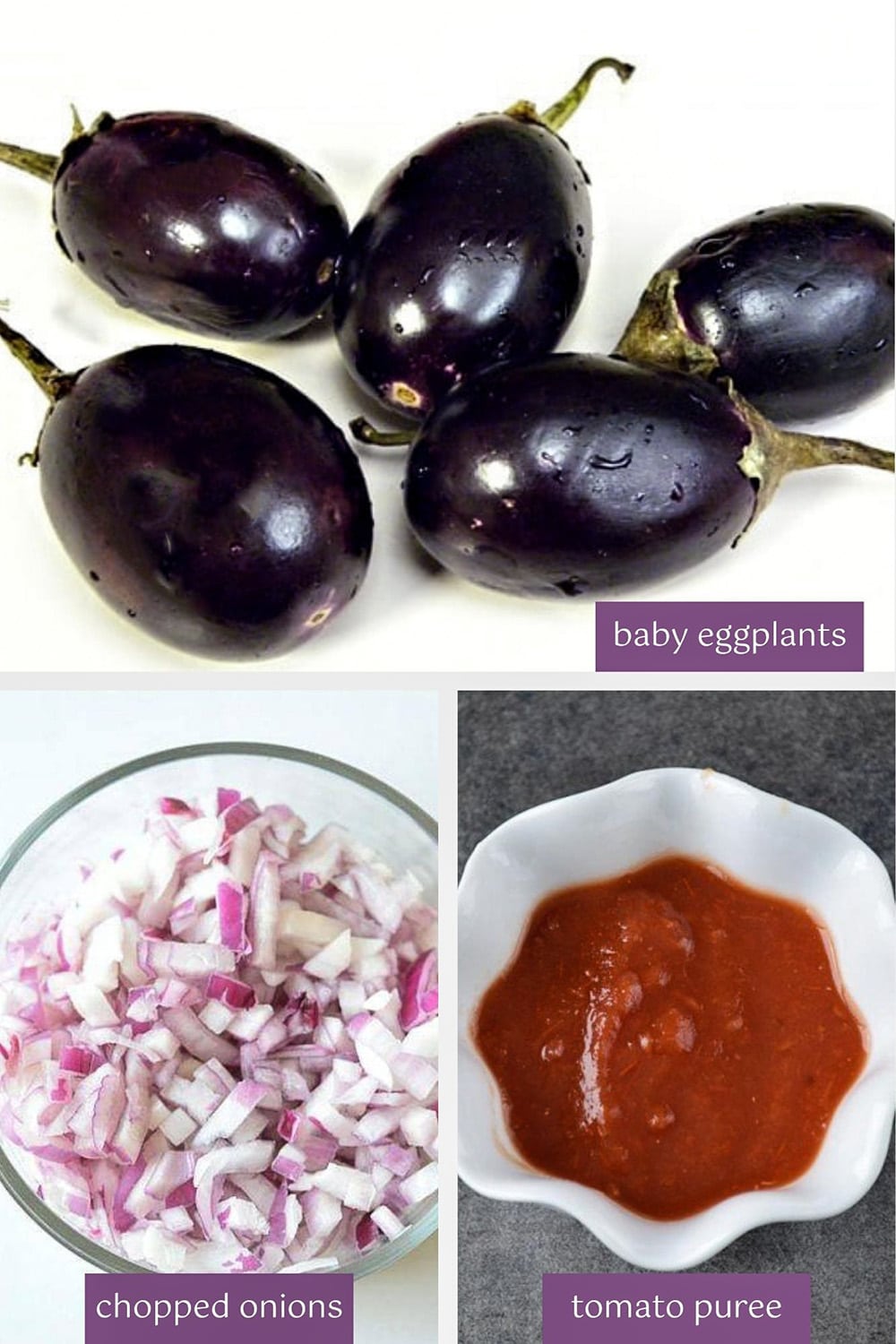
Ingredient list for Achari Baingan Aloo Recipe
Baby Eggplants (Baingan) — Small Indian eggplants are the best choice for this recipe because they cook quickly, absorb the masala beautifully, and turn silky and tender without falling apart too easily.
Potatoes — Potatoes add body and heartiness to the dish. Waxy or all-purpose potatoes work well because they hold their shape during cooking. Potatoes absorb the achari masala beautifully and help balance the slight bitterness of the eggplant along with the tangy spice flavors.
Onions — Onion forms the savory base of the masala. As it cooks, it adds sweetness and depth that balances the sharpness of mustard, fenugreek, and chili.
The Aromatics — Ginger and garlic team. Ginger adds warmth and brightness to the dish. It keeps the flavors lively and prevents the masala from tasting flat. Likewise, Garlic gives the Achari Baingan Aloo recipe a rich, robust base note that pairs especially well with eggplant and achari spices.
Tomato puree — brings mild acidity and moisture to the masala. It helps bring the dry spices together and gives the sabzi a gentle saucy coating without turning it into a full curry.
Hing — adds a subtle savory depth and a distinctly Indian flavor. It is especially useful in dishes with potatoes and eggplants because it enhances digestion and aroma.
Turmeric — adds warmth, earthy flavor, and a beautiful golden undertone to the masala. It also supports the bright, rich color of the finished dish.
Amchur — I prefer amchur a lot in achari dishes as it adds the classic tangy edge that makes achari dishes so addictive. It brightens the overall flavor and helps mimic the tartness of Indian pickles. Adjust slightly to taste if you prefer your Achari Baingan aloo Recipe more or less tangy.
Red chili powder — gives heat and color. You can adjust it to your desired level of spiciness. Use Kashmiri red chili powder for a deeper color with milder heat, or regular chili powder for more spice.
Coriander powder — adds citrusy warmth and rounds out the masala’s flavor. It pairs beautifully with fennel and cumin, helping create a more layered spice profile.
Roasted Cumin seeds — This is a finishing-style spice addition that brings a smoky, earthy note. Even a small amount gives extra depth and makes the final flavor feel more complete.
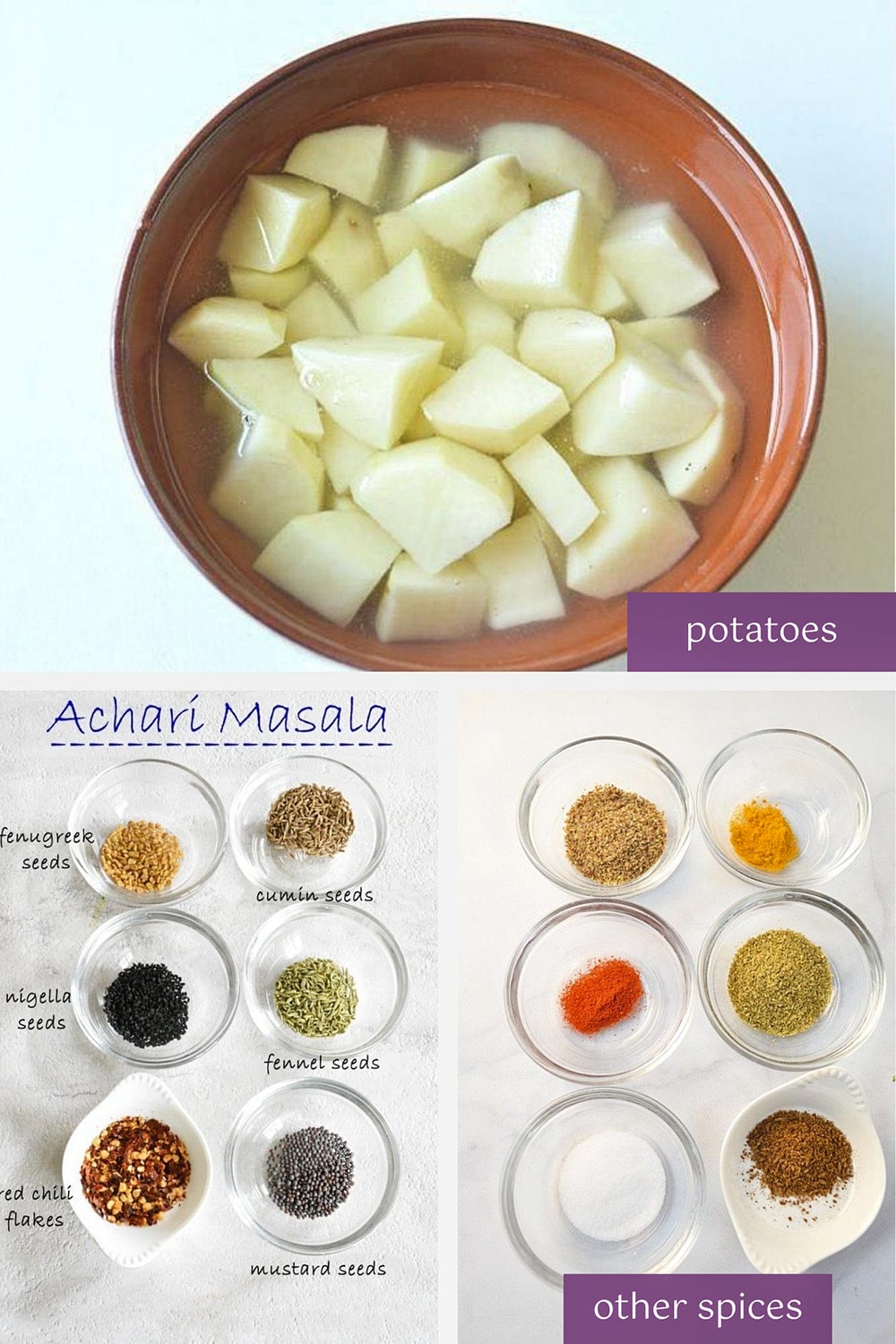
Achari Masala/ Pickled Spice Blend
This spice blend is the heart of the recipe. Dry-roasting in a heavy-bottomed wide pan and coarsely grinding these spices creates the signature Achari flavor that makes this dish unique.
Fennel seeds — bring a sweet, aromatic note that softens the sharpness of the other spices. They are one of the key flavors in many Indian pickles.
Mustard seeds — add pungency and a slightly sharp, pickle-like taste. They are essential for the achari character of this dish.
Fenugreek seeds — contribute a pleasantly bitter, warm note that gives depth and authenticity. Use the right amount, because too much can overpower the dish.
Nigella seeds — bring a bold, oniony, slightly peppery flavor in achari baingan aloo recipe. They are one of the signature spices in Indian achari masalas and should not be skipped if possible.
Cumin — adds earthy warmth and helps tie the spice blend together.
Chili flakes — add texture and a second layer of heat. They also give the achari masala a more rustic appearance.
Recipe Tips and Variations
Which eggplants are best for baingan aloo? Pick small, firm eggplants as they cook quickly and hold their shape well. Avoid overripe eggplants with too many seeds, as they may taste bitter. Choose eggplants that are firm, glossy, and free from soft spots.
Potato Cuts — Evenly cut potatoes cook uniformly and help the dish finish properly. Large uneven chunks may remain undercooked while the eggplants become too soft. Cut them into evenly sized pieces so they cook at the same rate.
Dry roast the spices on low heat — This step makes a huge difference. Gently roasting the achari spices helps release their natural oils and intensifies their aroma. Roast only until fragrant. Over-roasting can burn the spices, making the Achari Baingan aloo recipe taste bitter.
Add amchur gradually if needed — The tanginess of amchur can vary slightly by brand. Start with the suggested amount, taste, and add a pinch more at the end if you want a brighter achari finish. Or you can swap amchur for a little fresh lemon juice for a bit of tang. The flavor will be slightly different, but still bright and delicious.
Is Achari Baingan Aloo spicy? This dry Baingan Aloo sabzi is usually medium-spiced, but you can adjust the spices to suit your taste. The achari spices add bold flavor and warmth, while green chilies or red chili powder bring the heat. If you prefer a milder dish, you can reduce the chilies and still enjoy the delicious, tangy, and aromatic taste of the recipe.
Add yogurt for a softer finish — A tablespoon or two of whisked yogurt can be stirred in on low heat for a slightly creamier, softer masala. This changes the flavor a bit, but it is delicious.
Can I make achari baingan aloo without onion and garlic? Yes, of course. Skip the onion and garlic if needed. Add a little extra tomato puree and a pinch more coriander powder to keep the masala flavorful.
Is achari baingan aloo dry or gravy-style? The recipe as written is a dry sabzi but you can turn it into a gravy-style curry. Add a little more tomato puree and extra water if you prefer a thicker curry rather than a dry sabzi. Keep it moderately thick so the achari spices still shine through.
Use sweet potatoes — For a different twist, substitute some or all of the regular potatoes with sweet potatoes. This creates a sweet-spicy-tangy contrast.
Can I make it with regular large eggplant? Yes, you can make Achari Baingan Aloo with regular large eggplants if baby eggplants are not available. Cut it into medium-sized cubes or thick wedges so it holds its shape and does not turn mushy while cooking. Cook gently and stir carefully, as large eggplant softens faster than baby eggplants. The texture may be a bit creamier, but the achari spices still taste delicious with it.
What is achari flavor in Indian cooking? Achari flavor in Indian cooking refers to the bold, tangy, pickle-inspired taste made with spices like fennel, mustard, fenugreek, nigella, and cumin seeds. These spices create a flavor that is zesty, aromatic, slightly earthy, and pleasantly sharp. In dishes like Achari baby eggplant and potato sabzi, the achari masala gives the vegetables a spicy, tangy, and deeply flavorful taste.
What can I serve with Achari Baingan Aloo?
One of the best ways to serve Achari Baingan Aloo is with warm roti, paratha, or chapati. These soft Indian flatbreads make it easy to scoop up the sabzi and enjoy all the flavorful masala. It also tastes delicious with plain steamed rice, jeera rice, or even dal-rice for a comforting everyday meal.
For a more complete Indian thali-style meal, you can serve it alongside:
- plain yogurt or raita for a cooling contrast
- dal such as moong dal or yellow dal
- sliced onions, cucumber, and fresh salad
- papad and pickle for extra texture and flavor
If you are serving guests, Achari Baingan Aloo also works beautifully as a side dish with other North Indian mains. Its tangy achari flavor adds variety to the plate and makes the meal feel extra special.
Let me know what you think!
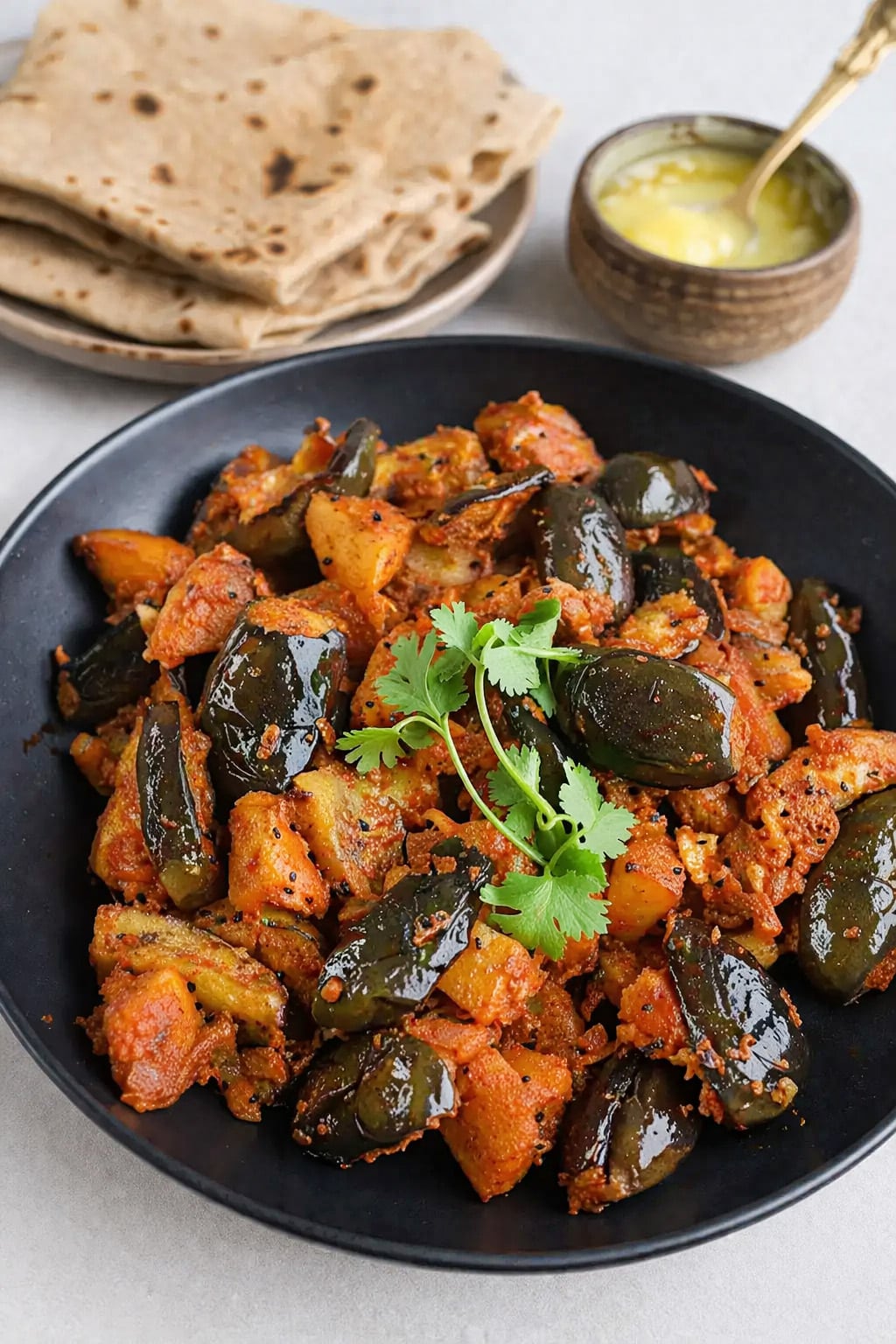
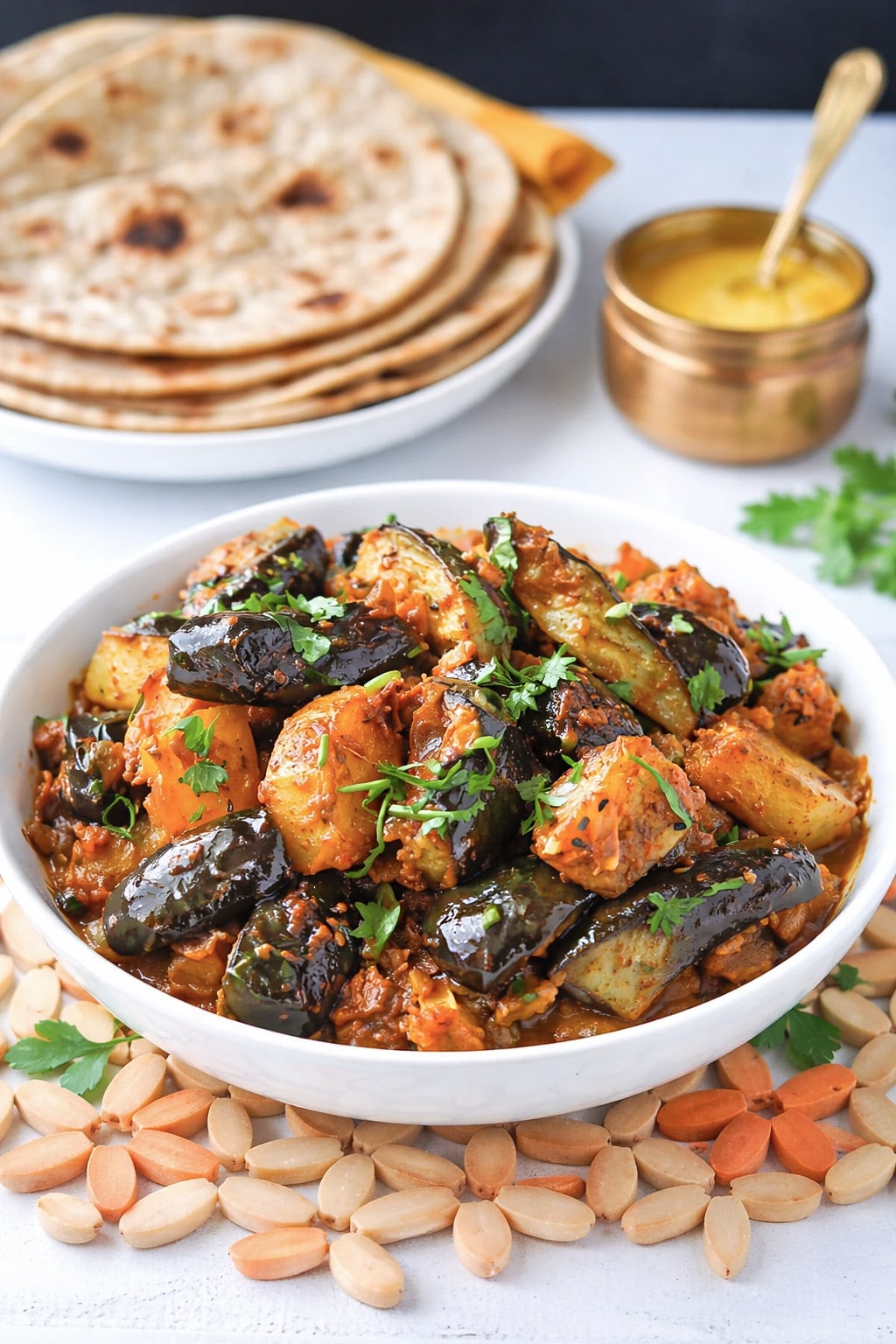
This Achari Baingan Aloo Recipe is a bold, comforting, and flavor-packed Indian sabzi that turns simple baby eggplants and potatoes into something truly special. The roasted achari spice blend gives it a signature tangy, aromatic finish that makes every bite memorable. It is easy enough for everyday cooking, yet unique enough to serve when you want something extra delicious on the table.
Serve it with warm chapatis, a bowl of dal, and maybe a spoonful of ghee on the side, and you have a meal that feels deeply satisfying and wonderfully homemade.
Whether you grew up eating achari sabzis or are trying one for the first time, this recipe is a keeper.
Should you make this Achari Baingan Aloo recipe, please let me know your thoughts by sharing your comment below.
And don’t forget to share it with your family and friends.
CRAVING FOR MORE, TRY THESE OTHER ACHARI RECIPES:
Follow the step-by-step instructions below to make the best Achari Baingan Aloo Recipe
Achari Baingan Aloo Recipe
EQUIPMENT
INGREDIENTS
INGREDIENTS FOR EGGPLANTS
- 6-8 small Baingan/Eggplants
- 1 medium Onion finely chopped
- 2 medium Potatoes peeled and cubed
- 1 teaspoon Ginger paste
- 1 teaspoon Garlic paste
- 3 tablespoons Tomato puree
- ¼ teaspoon Hing/ Asafoetida
- ½ teaspoon Haldi (Turmeric powder)
- ¾ teaspoon Mango Powder (Amchur Powder )
- ½ teaspoon Red chili powder
- 1 teaspoon Coriander powder (sukha dhaniya)
- ½ teaspoon Roasted cumin seeds , crushed
- 2-3 tablespoons Oil
- 3 tablespoons Chopped cilantro leaves – to garnish
- ¼ cup Water
ACHARI/ PICKLED SPICES
- 1 teaspoon Saunf (Fennel seeds)
- 1 teaspoon Rai (Mustard seeds)
- 1 teaspoon Methi dana (Fenugreek seeds)
- 1 teaspoon Nigella seeds (kalonji)
- ¾ teaspoon Cumin seeds (Jeera)
- ¼ teaspoon Crushed chili flakes
INSTRUCTIONS
HOW TO MAKE DRY ACHARI (PICKLE) MASALA
- In a heavy-bottomed pan, dry roast all the spices on a medium-low flame.
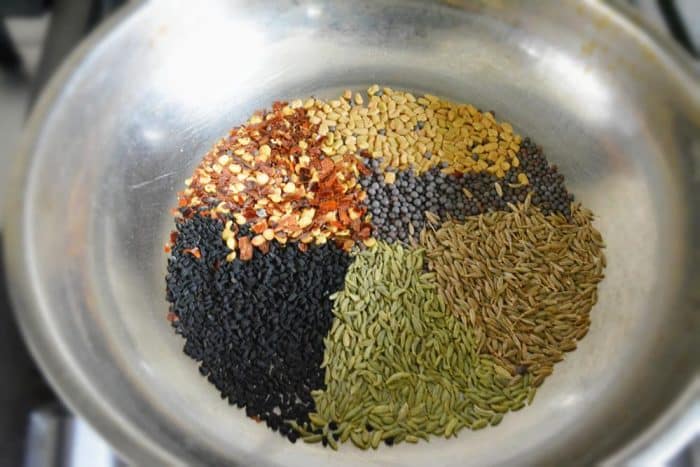
- Shake and heat until a warm, nutty aroma arises.

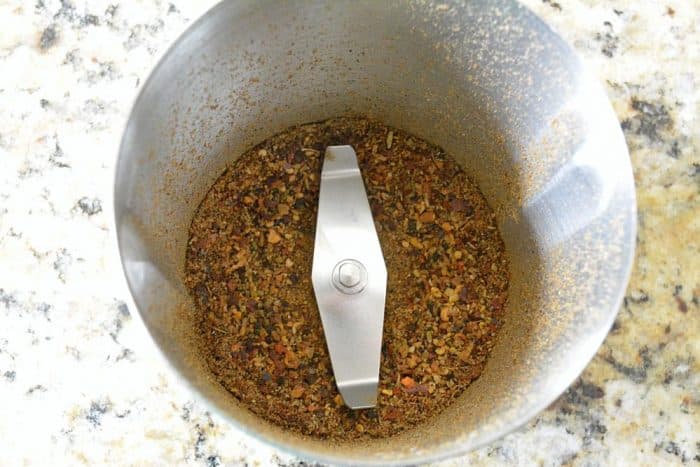
- Let the spices cool completely before grinding. Warm spices can release moisture, becoming pasty rather than coarse and aromatic.

- Coarsely pound the spices. Set it aside.Tip — Keep the achari masala coarse. Do not grind the roasted spices into a fine powder. A coarse grind gives this sabzi its rustic texture and little bursts of flavor throughout the dish.
HOW TO COOK EGGPLANT
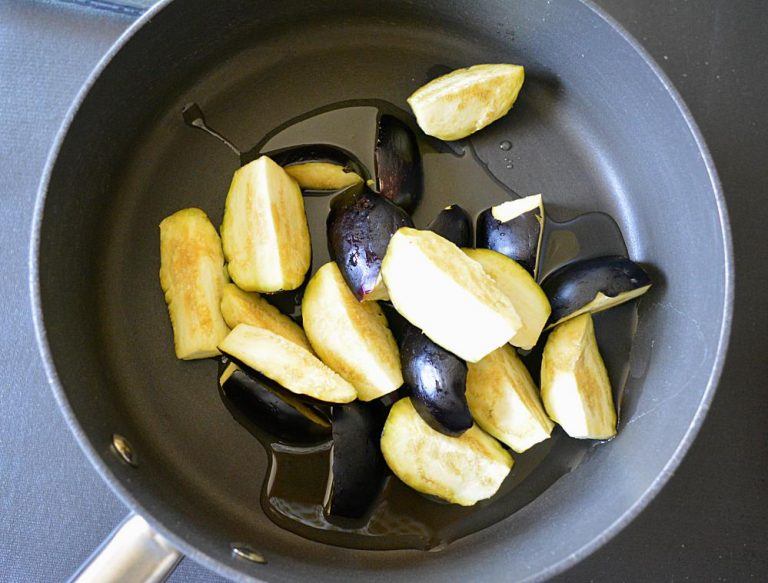
- Heat oil in a pan. Slice eggplants and add them to the oil.Tip — Use mustard oil for an authentic achari flavor. Mustard oil gives the most traditional achari flavor, but any neutral oil will work. If using mustard oil, heat it well first to mellow its sharpness. It adds sharpness and depth that pair beautifully with the roasted spices.
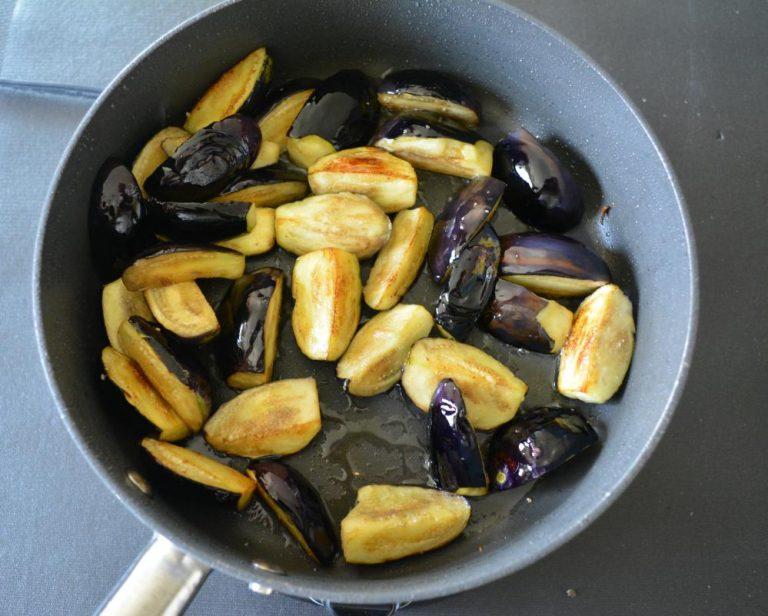
- Pre-cook the eggplants gently. Eggplants absorb oil and soften very quickly. Sauté them just until tender, not mushy, so they stay intact when mixed with the potatoes and masala. Once done, remove from them pan and set it aside.
- To the same pan, add chopped potatoes.
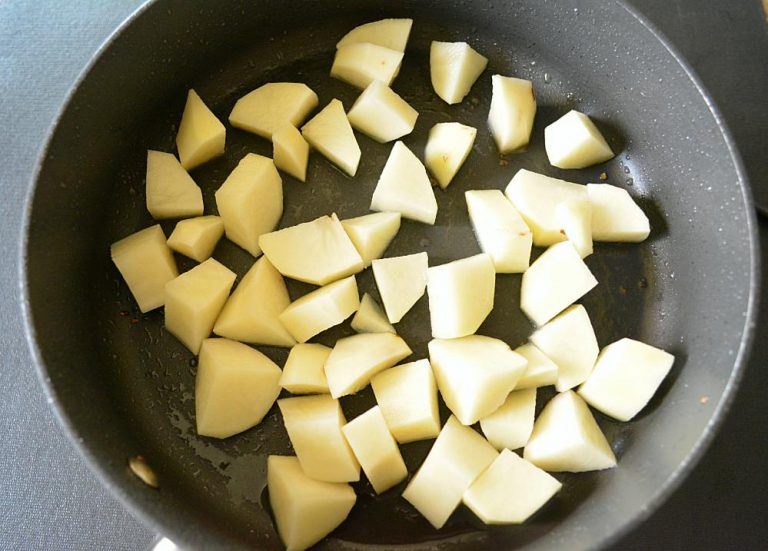
- Cook until soft and brown. Remove from the pan and set it aside.
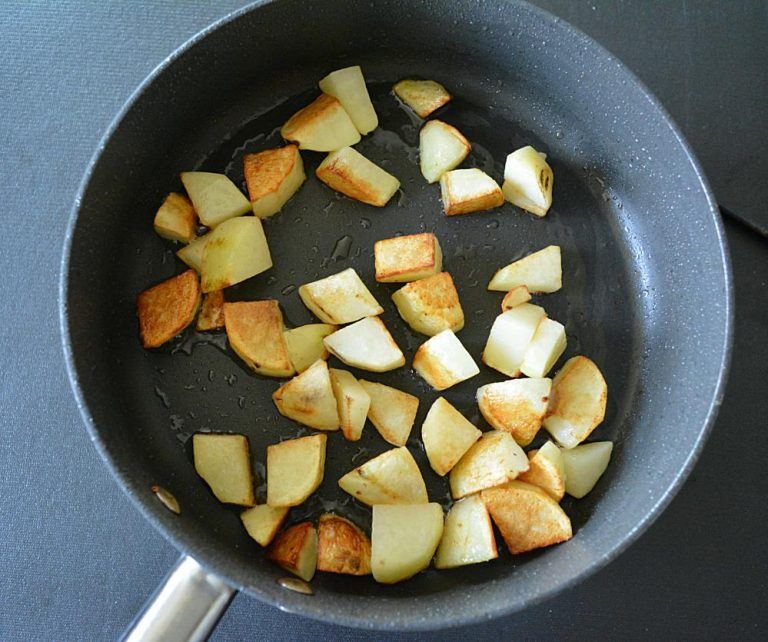
- To the same pan, add a tablespoon of oil and hing (asafetida), cumin, and ginger-garlic paste. Cook for a minute.Tip — Fresh ginger-garlic paste is ideal for the best aroma.
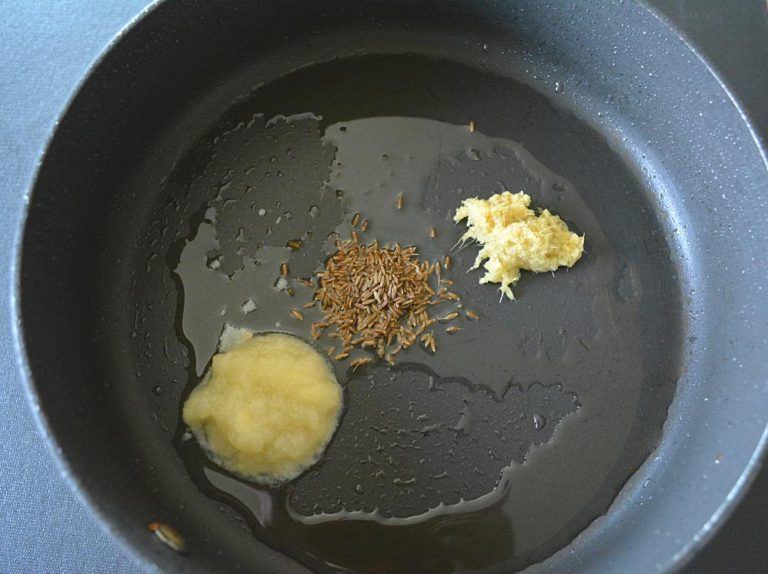
- Add chopped onions and sauté until translucent.
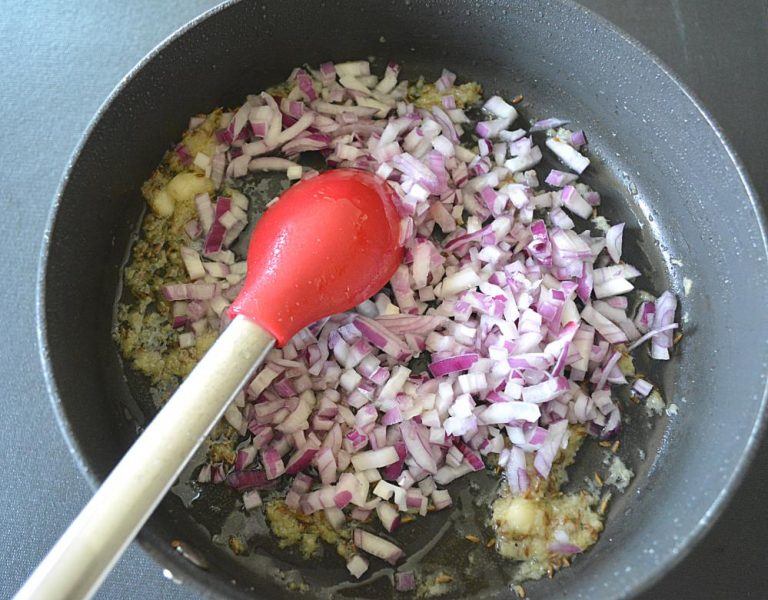
- Add tomato puree, mix, and cook for 2-3 minutes.
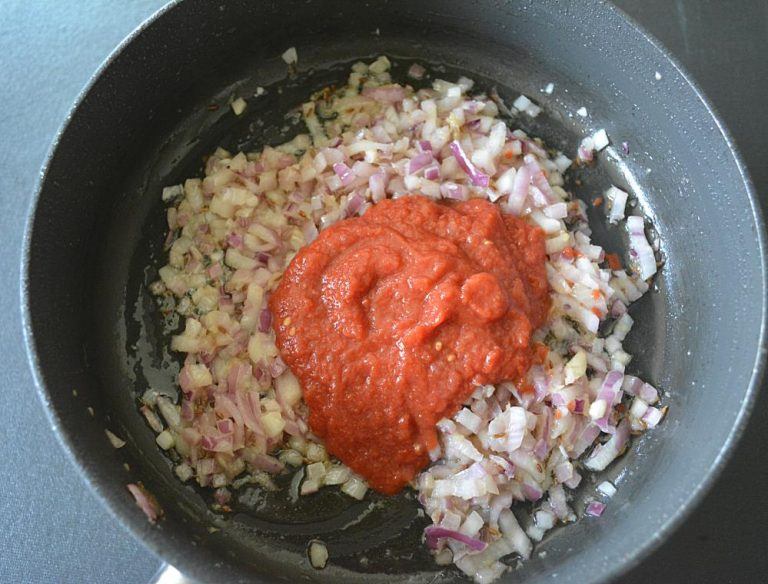
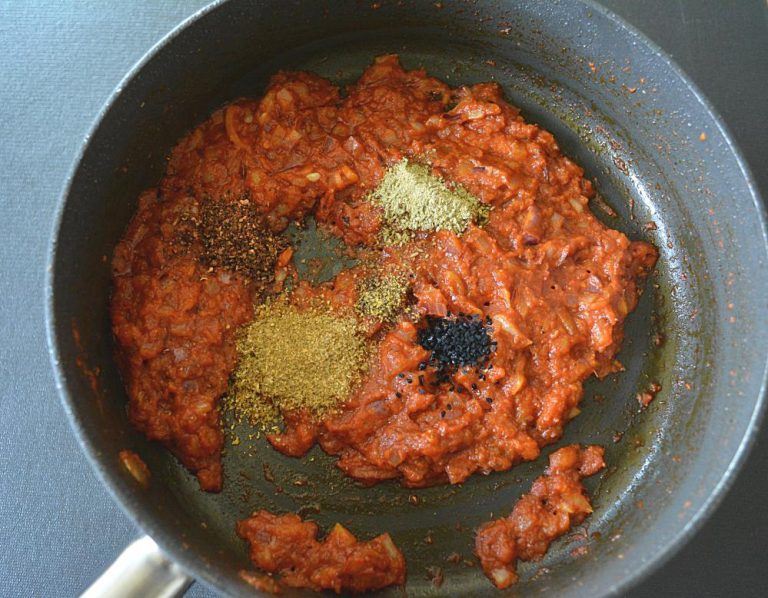
- Stir in all the spices – achari masala/ pickled spices and other spices listed in the recipe. After adding onion, ginger, garlic, tomato puree, and ground spices, cook the masala until it smells rich, and the oil starts to separate slightly. This step deepens the flavor.
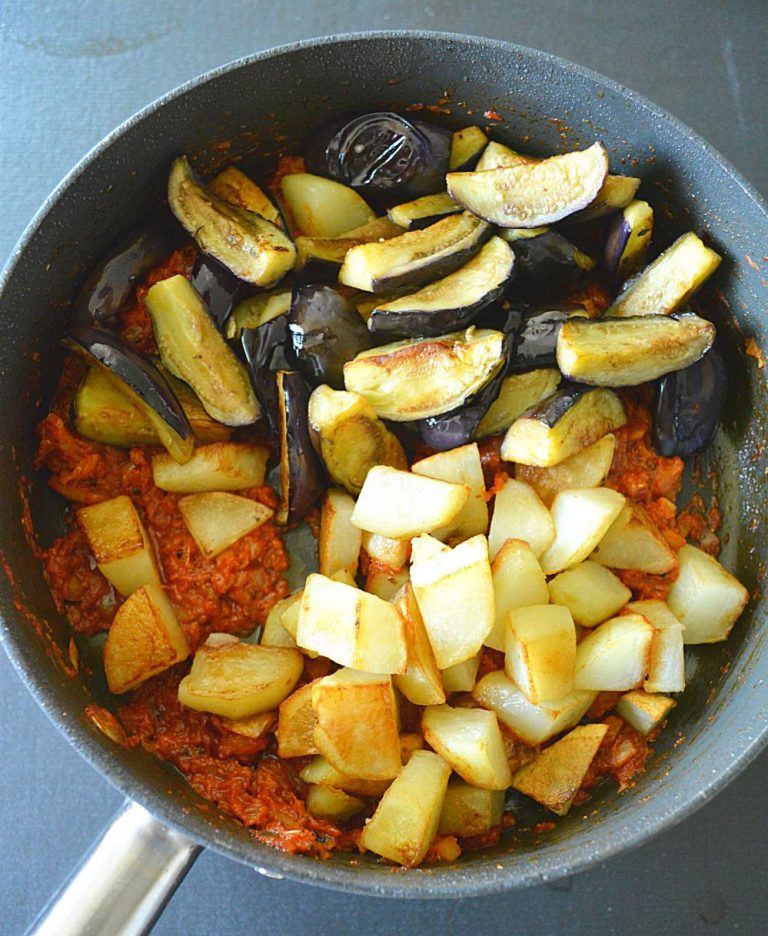
- Add sauteed eggplants and potatoes. Pour in water. Stir gently after adding eggplants.Tip — Achari Baingan Aloo is best as a thick, semi-dry sabzi, so adding a small amount of water helps the potatoes finish cooking and allows the spices to cling to the vegetables. Add only as much as needed. Too much water will dilute the achari flavor.
- Cover and cook until the veggies are soft and tender. Once the eggplants are cooked, handle them carefully so they do not break down into the masala. Adjust salt according to taste.Tip — The baby eggplants turn silky and tender, the potatoes soak up all the spices, and the freshly roasted achari masala gives the dish its unmistakable depth and warmth.
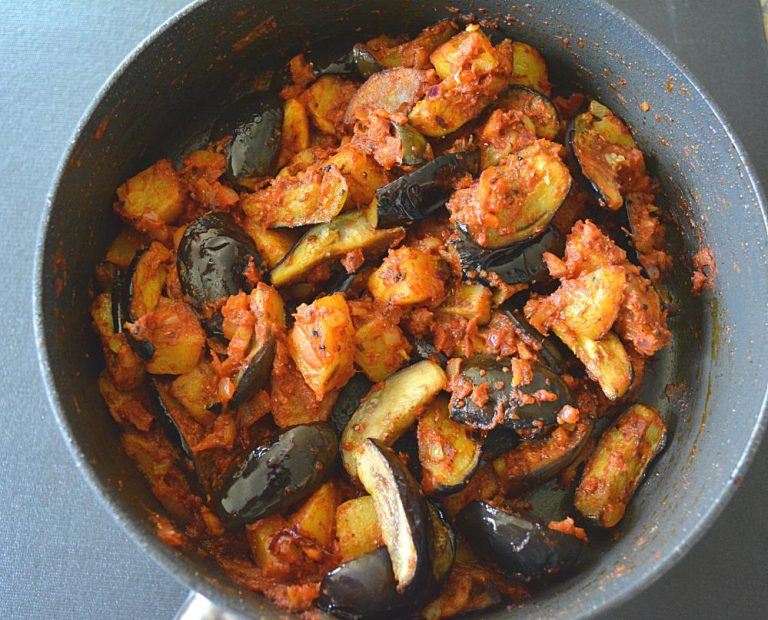
- Garnish with chopped cilantro leaves. Fresh cilantro adds brightness and freshness at the end. It lifts the heavier pickling spices and gives the dish a vibrant finish.Tip — Let the dish rest before serving — This sabzi tastes even better after resting for 10 to 15 minutes. The spices settle, the potatoes absorb more flavor, and the achari notes become rounder and deeper.
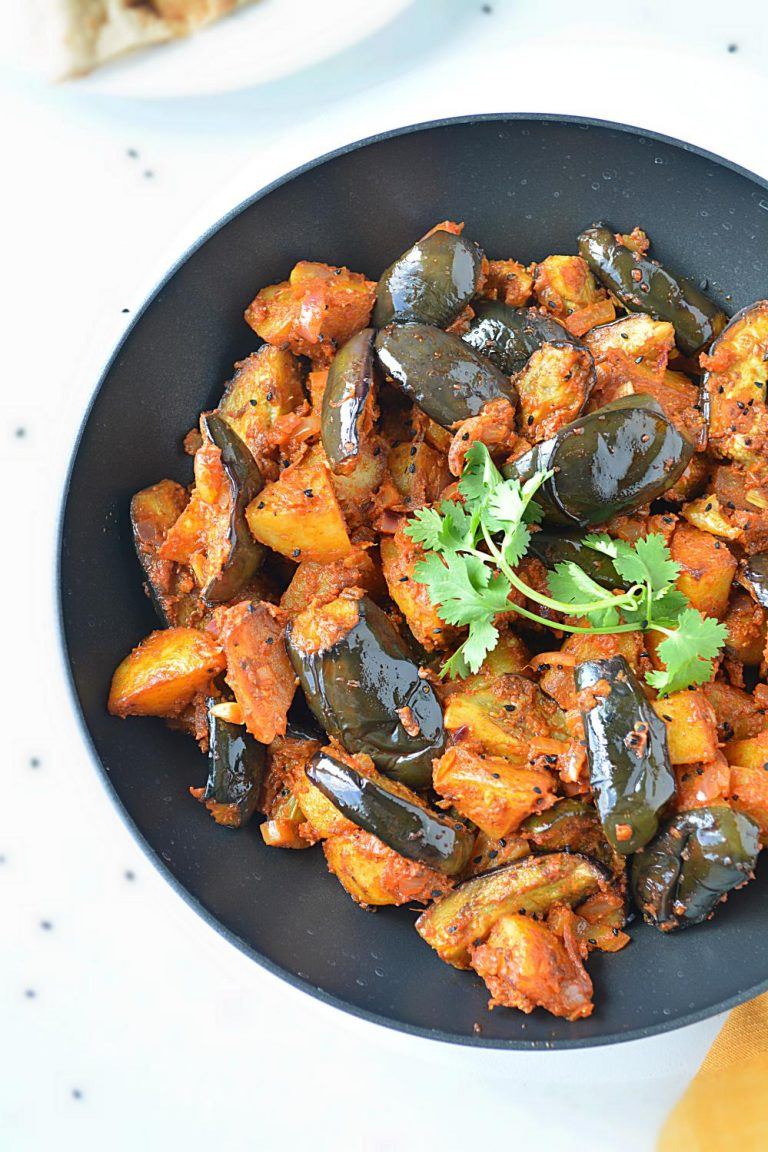
- Serve with warm rotis.
RECIPE NOTES
Do I need baby eggplants for this recipe?
No, baby eggplants are not absolutely necessary, but they are a great choice for this recipe because they cook evenly and hold their shape well. Their tender texture and slightly sweet flavor pair beautifully with the achari masala. If you do not have baby eggplants, regular globe eggplant or other small varieties can be used instead. Is Achari Baingan Aloo gluten-free?Yes, this dish is naturally gluten-free as long as you use a gluten-free hing or skip hing altogether. Can I make this recipe vegan?
Yes, Achari Baingan Aloo is naturally vegan as long as it is made with oil and plant-based ingredients only. The recipe typically uses vegetables, spices, and herbs, making it a simple and wholesome vegan Indian dish that is full of bold flavor. Can I prepare Achari Baingan Aloo in advance?
Yes, you can prepare Achari Baingan Aloo in advance. In fact, the flavors often taste even better after resting for a few hours because the spices get more time to blend with the vegetables. Store it in an airtight container in the refrigerator and reheat gently before serving. It makes a great make-ahead side dish for busy weekdays or meal prep. How do I store leftovers?
Store leftovers in an airtight container in the refrigerator for up to 3 days. Reheat in a pan over low heat with a small splash of water if needed. Can I freeze Achari Baingan Aloo?
It is best enjoyed fresh or refrigerated, but you can freeze it if needed. Keep in mind that eggplants and potatoes may soften more after thawing. How do I keep eggplant from turning mushy? To keep eggplant from turning mushy, cut it into medium-sized pieces and cook it on medium heat without over-stirring. Avoid adding too much water, since Achari Baingan Aloo is meant to be more of a dry sabzi. Stir gently and cook only until the eggplant is tender but still holding its shape. Using firmer baby eggplants also helps maintain a nice texture.
Amazing is the word
Thanks dear. 🙂
Why are you so cumbersome recipe should be easily printable?
Daljit, what difficulty are you facing in printing a recipe? The print icon is in the top right corner from where the recipe starts. Press that and it will print the recipe for you.
nice racipe and thanks for suggest
My pleasure. 🙂
Today I was searching for a different than usual baingan recipe and stumbled upon this. I made it just the way you have described and achari baingan aloo turned out to be finger licking delicious. Can’t wait for lunchtime. Thanks for your recipe
Pleasure is all mine, Arthi!
Glad to hear that you found what you were looking for.
Hope you liked the recipe. 🙂
U tried ur recipe..superb …was so reluctant to make Baigan …but this was superb..
Glad you liked the recipe.
Thank you for sharing your experience with me.
Hello Ruchi,
First time user of your blog, pulled by the word Achari, so gave a try. It is tasting really good… like a hint of pickle added to curry..
Thanks a lot.
Shreya
Welcome to the blog, Shreya! I am glad you found what you were looking for.
Thank you for your lovely feedback. 😊
Thank you for trying the recipe, MrsG!
The bitter taste may be from the achar masala (pickle spices). Feel free to add a little more sugar or honey to balance out the flavors.