
Karwa Chouth Sargi ki Thali and Puja ki thali
Wondering what to include in your Karwa Chauth Sargi ki Thali and Puja ki Thali? This complete guide covers everything you need to know about preparing a traditional Karwa Chauth Sargi, choosing the right foods before the fast, arranging your Karwa Chauth Puja Samagri, and understanding the significance of each ritual.
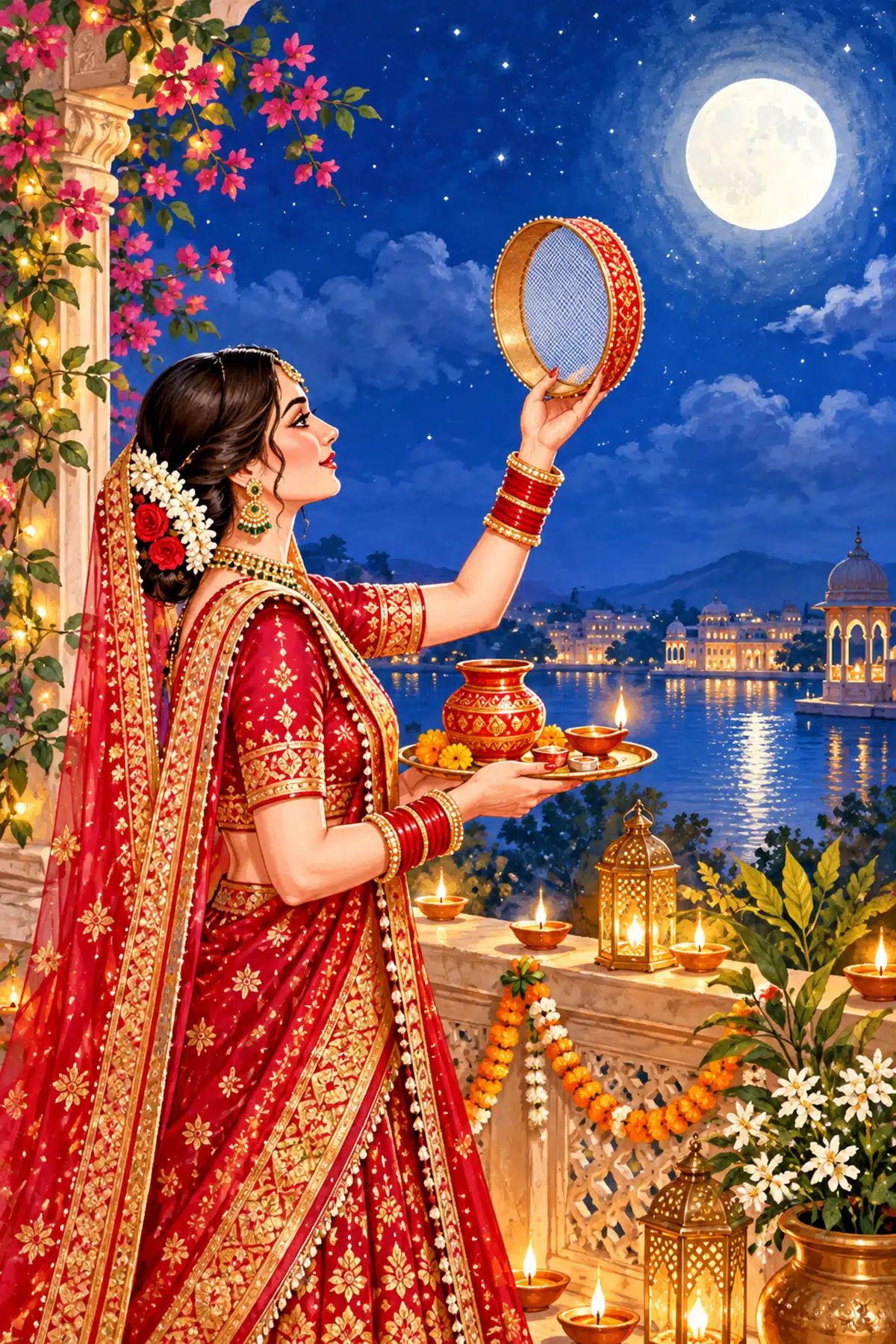
Wondering what to include in your Karwa Chauth Sargi ki Thali and Puja ki Thali? This complete guide covers everything you need to know about preparing a traditional Karwa Chauth Sargi, choosing the right foods before the fast, arranging your Karwa Chauth Puja Samagri, and understanding the significance of each ritual.
Karwa Chauth is a beautiful Hindu festival that celebrates love, devotion, faith, and the sacred bond of marriage. From the early morning Sargi to the evening puja and moonrise rituals, every tradition carries special meaning.
Whether you're celebrating your first Karwa Chauth or continuing a cherished family custom, this detailed guide will help you prepare both thalis with confidence and ease.
What Is Karwa Chauth?
Karwa Chauth, also spelled Karva Chauth or Karwa Chouth, is a traditional Hindu festival celebrated primarily by married women in North India and by Indian families worldwide. The word Karwa refers to an earthen pot traditionally used in the puja, while Chauth signifies the fourth day of the lunar fortnight.
The festival falls on Krishna Paksha Chaturthi, the fourth day of the waning moon, in the Hindu month of Kartik according to the North Indian calendar. Traditionally, married women observe a day-long fast and pray for the health, happiness, prosperity, and longevity of their husbands.
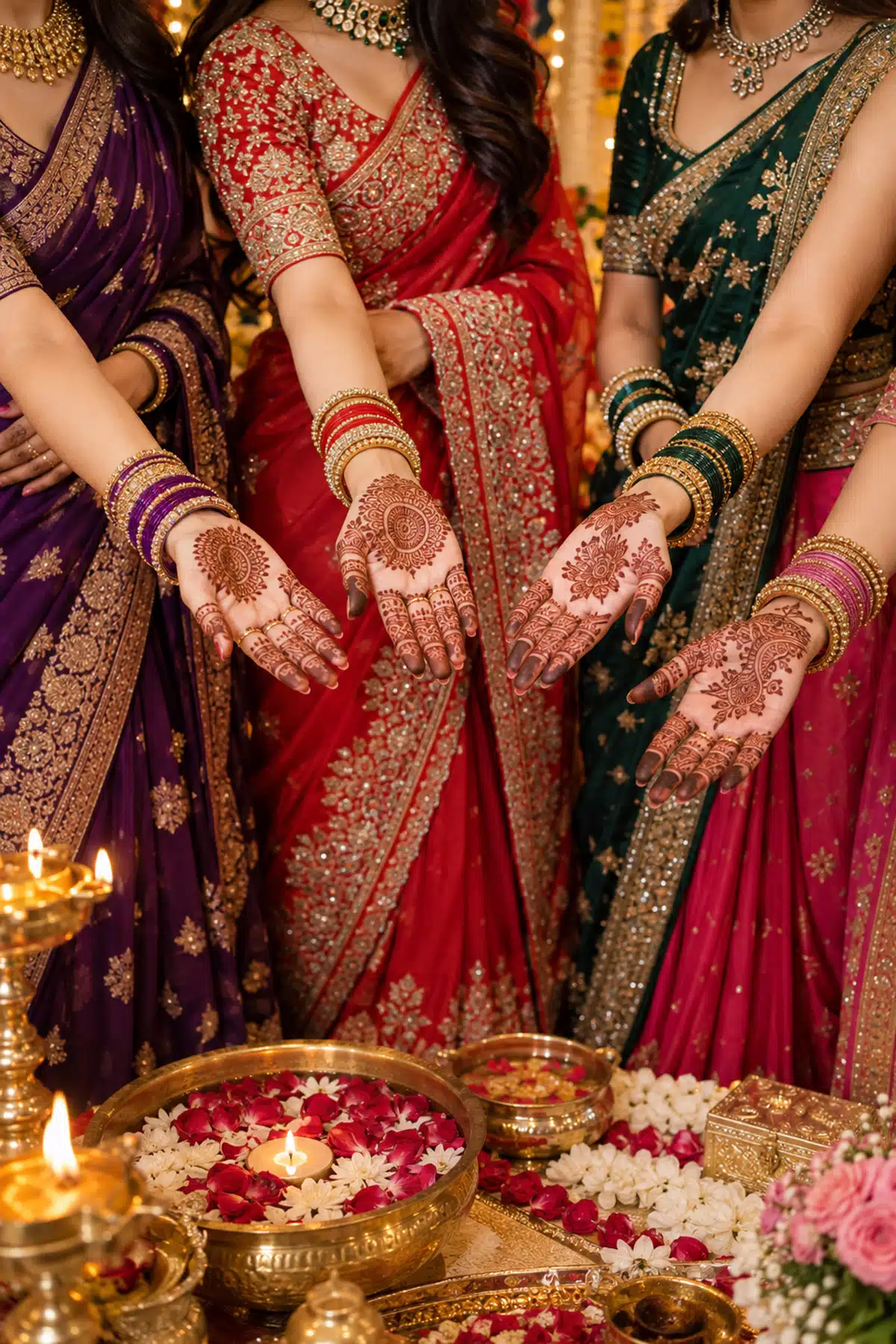
The celebration beautifully combines religious devotion with family traditions, festive attire, mehndi, gifts, and prayers. In many households, the festivities begin a day earlier as women prepare their traditional outfits, apply henna, arrange puja essentials, and plan their Sargi meal.
On Karwa Chauth morning, the fast begins after Sargi, while the evening is dedicated to Karwa Chauth Puja, Vrat Katha, and Chand Puja. Although the festival follows certain common traditions, the customs and rituals may vary across different families and communities.
How to Observe Karwa Chauth?
The Karwa Chauth fast begins at sunrise, with preparations starting in the early hours before dawn. Traditionally, married women and brides-to-be wake up before sunrise to prepare for this sacred observance. They seek blessings from the elders of the family and gather to enjoy Sargi, a special pre-dawn meal that provides nourishment and energy for the day-long fast.
What Is the Significance of Sargi and Puja Thali?
Two essential traditions of Karwa Chauth are the Sargi ki Thali and Puja ki Thali, each holding a special significance in this beautiful festival.
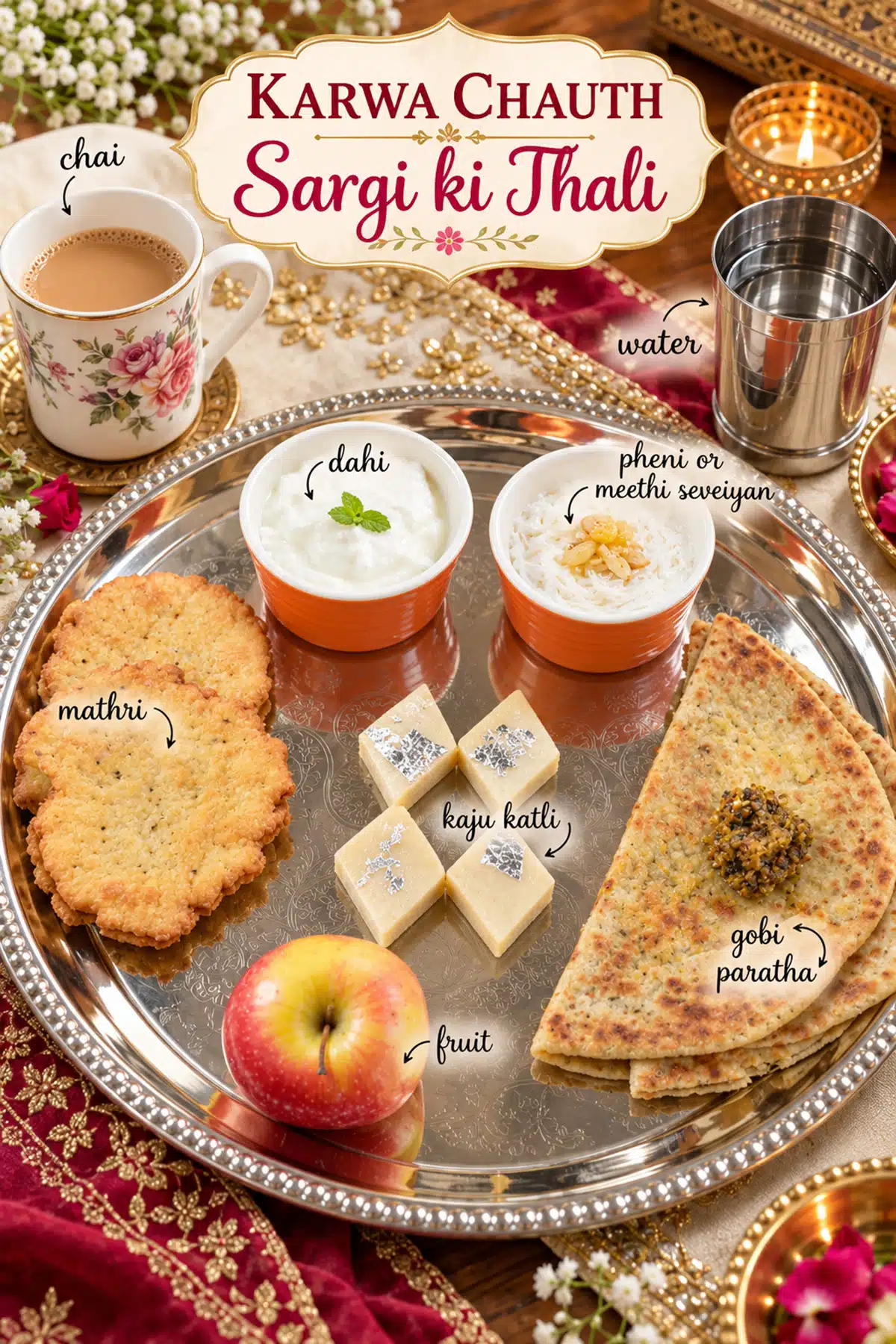
Sargi ki Thali is a traditional pre-dawn meal lovingly prepared or gifted by a mother-in-law to her daughter-in-law as a symbol of love, blessings, and family togetherness. Enjoyed before sunrise, it typically includes pheni, mathri, parathas, fresh fruits, dry fruits, and Indian sweets, providing nourishment before the day-long fast.
In contrast, the Karwa Chauth Puja ki Thali contains the sacred items and offerings needed for the evening prayers and moon worship rituals. While Sargi celebrates the warmth of family relationships and traditions passed down through generations, the Puja Thali represents faith, devotion, and marital well-being.
For me, Sargi has always been one of the most cherished parts of Karwa Chauth, as it brings back beautiful memories of the traditions my mother-in-law lovingly shared with me. Understanding the significance of both thalis makes preparing for Karwa Chauth, especially for first-time celebrants, more meaningful and memorable.
What to Eat for Karwa Chauth Sargi – Traditional Sargi Food List
One of the most common questions is what should be included in a Karwa Chauth Sargi thali? Although there is no single menu followed by every family, a traditional Sargi often includes a combination of homemade sweets, savory dishes, fruits, nuts, and comforting breakfast foods. Here are some of my favorite choices for a festive and satisfying Karwa Chauth Sargi menu.
Meethi Seviyan or Pheni - One of the most popular foods included in a traditional Sargi thali is pheni, a delicate, fine vermicelli preparation often served with milk. However, pheni is not always easy to find, especially when living outside India.
In my case, pheni is not readily available where I live. So, following my mother-in-law's advice, I prepare homemade meethi seviyan instead. This delicious sweet dish is made by cooking thin vermicelli strands with milk, sugar, and dry mawa powder until everything is well combined and tender. The result is a creamy, comforting preparation that adds a festive touch to my Sargi thali.
My tip: Prepare the ingredients for meethi seviyan the previous evening. This makes the early morning cooking process much easier.
Kaju Katli - No festive Indian thali feels quite complete without a little mithai! Kaju Katli is a classic Indian sweet prepared with cashews and sugar. Its soft, melt-in-your-mouth texture makes it a lovely addition to the traditional Karwa Chauth Sargi. You can prepare homemade kaju katli in advance or include your family's favorite Indian sweet.
Paratha - A freshly prepared Gobi Paratha is another favorite on my Sargi menu. This delicious Indian flatbread is stuffed with grated cauliflower and seasoned with aromatic spices. Parathas are commonly enjoyed with homemade dahi, pickle, or a cup of tea. In my family, parathas are usually prepared fresh on the morning of Karwa Chauth. Since this is an early morning meal, I prefer keeping the spices mild.
Make-ahead tip: Prepare the cauliflower filling the previous evening, then cook the parathas fresh before sunrise.
Mathri - It is a crispy, flaky, savory Indian snack that is especially popular during festivals. Made with flour, spices, and other simple ingredients, these golden crackers provide a delicious contrast to the sweet dishes traditionally served in Sargi. I love including mathri because it can be prepared several days before Karwa Chauth.
Fresh dahi - It is another wonderful addition to a traditional Sargi meal. It pairs beautifully with homemade parathas and other savory dishes. You can serve plain homemade yogurt or prepare a simple, mildly seasoned raita. Yogurt contributes protein and calcium, making it a useful part of a satisfying breakfast.
Fresh seasonal fruits - They add color, freshness, and variety to your Sargi thali. Some popular choices include:
- Pomegranate
- Apples
- Bananas
- Oranges
- Berries
- Seasonal fruits of your choice.
- Pomegranate is one of my personal favorites, and I love including it in my Sargi.
- Fresh fruit provides fiber, vitamins, and natural carbohydrates as part of a balanced meal.
Disclaimer:
These are the traditions and rituals what my mom-in-law taught me and I am sharing it with you. Every family has their own set of norms and practices, therefore, please consult the elders in your family before observing this fast.
Tips - Karwa Chauth Puja Samagri – Complete Karwa Chauth Puja Thali Checklist
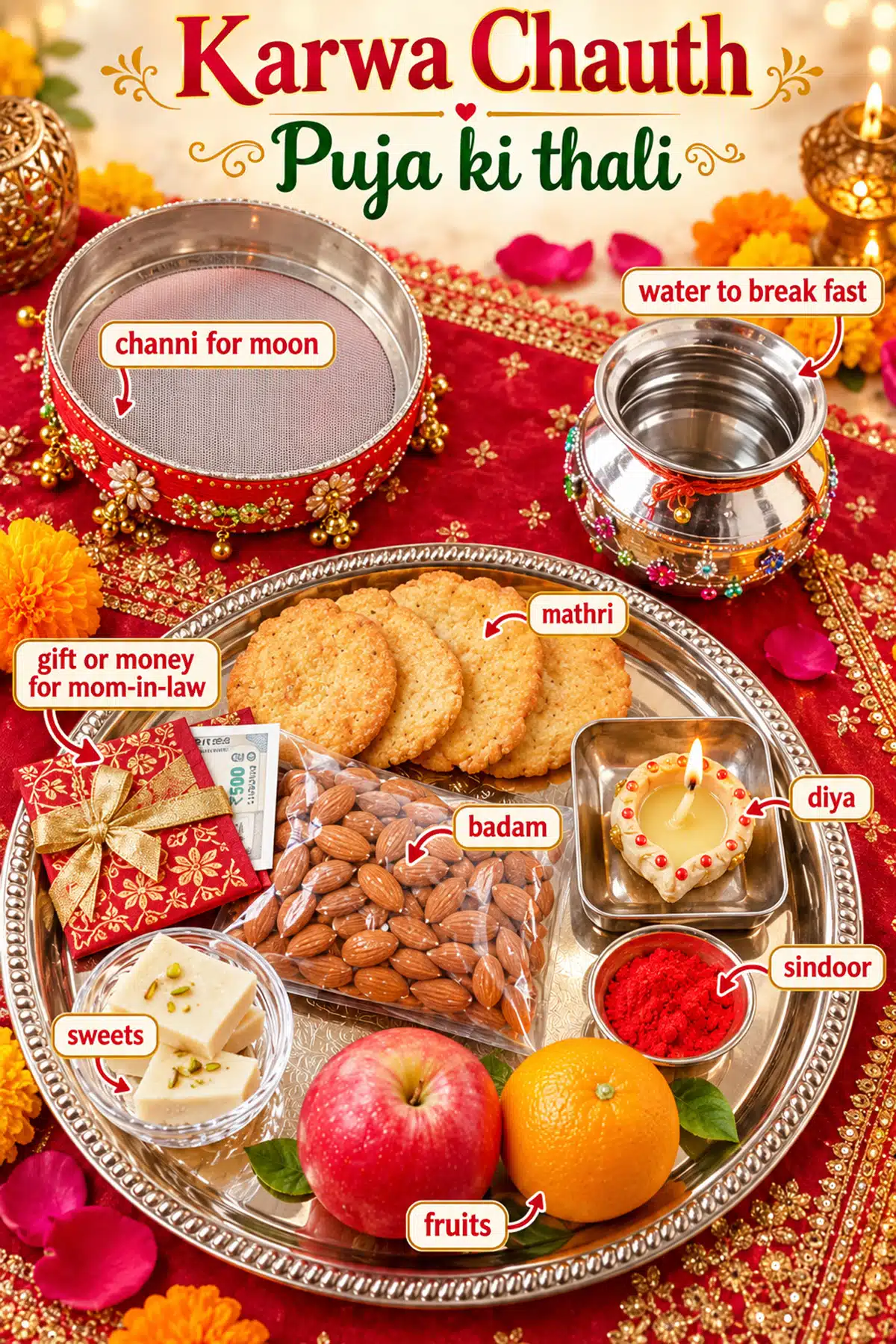
A thali or plate - Begin with a beautiful puja thali or decorative plate to arrange your offerings. You can choose a traditional steel thali, brass plate, or a festive decorative thali. If desired, decorate it with colorful fabric, flowers, or other traditional embellishments.
Fruits - are offered to the deities during the evening Karwa Chauth puja. I always include one banana and one apple in my puja thali. After the prayers, these fruits are traditionally given to a Kanjak (a young girl, commonly under the age of 10 in our family tradition) or offered to a temple priest. This is one of the customs followed in my family.
Mithai - is another important element of the Karwa Chauth puja thali. In our family, sweets are offered during Chand Puja and then consumed after completing the moon worship. Gulab jamun, kaju katli, besan ladoo, barfi, or another family-favorite mithai can be included, depending on your tradition.
Mathri - I always include a few pieces of homemade mathri in my Karwa Chauth thali. After a long day of fasting, eating something sweet may not always sound appealing. Mathri offers a delicious savory option when it's time to break the fast. This small addition makes the thali more practical while preserving a familiar festive tradition.
A lit diya - Lighting a diya is an important part of many Hindu religious ceremonies. In my family, I always prepare two diyas for Karwa Chauth:
- One diya for the evening thali pujan.
- A second diya for the Chand Puja or moon worship.
You can use traditional clay lamps or prepare a homemade diya according to your family custom. If you would like to make one yourself, follow my detailed tutorial on How to Make Karwa Chauth Diya at Home. Always place lit lamps on a stable, heat-resistant surface and keep them away from loose clothing and decorations.
Sindoor - It is traditionally associated with marriage in many Hindu communities. It is included in the Karwa Chauth puja thali as part of the religious customs. In our family tradition, the husband applies sindoor to his wife's forehead after the moon worship is complete. This ritual symbolizes the marital bond and adds a meaningful moment to the celebration.
Colorful Chunni or Cloth - A vibrant chunni or decorative cloth is traditionally used to cover the puja thali. You can select a red, maroon, orange, pink, or gold fabric to complement your festive decorations. The colorful chunni adds a beautiful finishing touch to the thali.
A karwa - Gadvi, Karwa, or Steel Glass is a small pot or vessel traditionally associated with Karwa Chauth. It is filled with water and used during the evening puja and moon worship according to family custom. You may use an earthen karwa, copper vessel, or steel glass, depending on the traditions followed in your home. The water is used for Chandra Arghya, the ritual offering made to the moon.
A sieve or channi - The channi, or sieve, is one of the most recognizable items associated with Karwa Chauth celebrations. During the Chand Puja, many married women traditionally look at the moon through the sieve before looking at their husbands. In my family, the channi is used only during the moonrise ritual, not during the earlier evening puja. Keep it ready with your other Chand Puja essentials.
Rice (Akshat) - Uncooked rice is commonly used in Hindu religious ceremonies. Although it may not always be visible in photographs of the puja thali, I make sure to keep a small amount ready. In my family's Karwa Chauth tradition, rice is used during prayers and the moon offering.
Matchbox or Lighter- Finally, keep a matchbox or lighter nearby to light the diyas. It's a small but important item that is easy to overlook when arranging the puja thali.
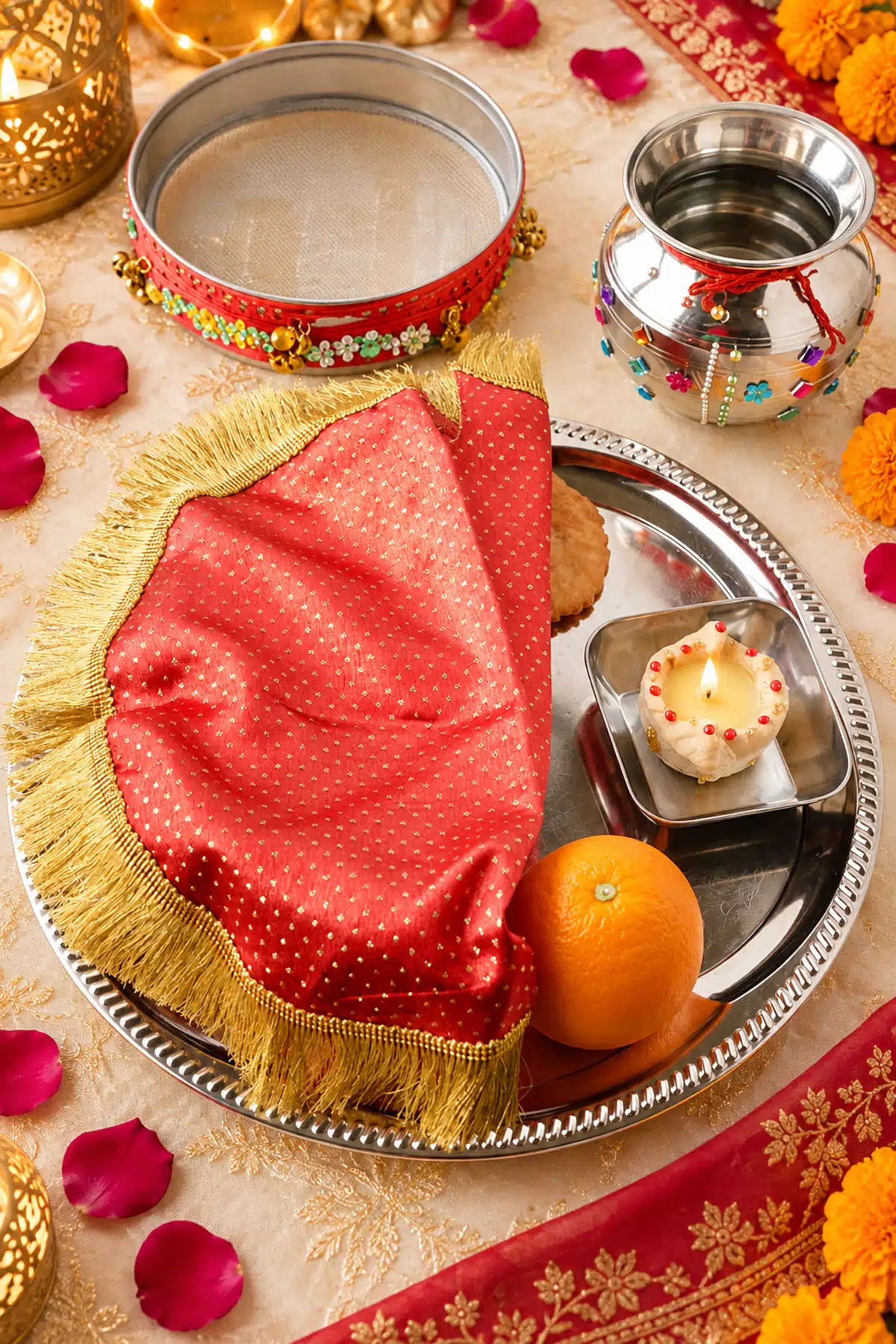
Whether you're observing your first Karwa Chauth or celebrating it for the many years, I hope this guide helps you prepare your Sargi and Puja Thali with ease, joy, and confidence. Remember, every family has its own customs, and there is no need to compare one tradition with another.
Celebrate in a way that honors your family's beliefs, respects your well-being, and brings happiness to your home. May this auspicious festival bring peace, prosperity, love, and togetherness into your lives.
Wishing you and your loved ones a very Happy Karwa Chauth! Stay blessed and celebrate with love and great joy!
Do you prepare a traditional Sargi thali for Karwa Chauth? What special dishes or puja items are included in your family's celebration? Share your cherished traditions in the comments below. I would love to hear from you!
Thanks , the information was really helpful and like someone said especially when you are doing it alone . I have a question though - isn’t the stuff that you put in the pooja thali supposed to be given away - to the mother-in law or elders and that you are not supposed to consume any of it yourself .?
Yes, Pallavi, that's correct! That is called Baya - a gift or token of love you give to your mom-in-law or elderly ladies.
Besides fruits, mathri, and Diya, it could be anything badam, sweets, or money that is gifted with love and respect to the elders.
Thank you so much for the info and the pics, a great help especially when you're doing it alone. Thank you very much!
Pleasure is all mine.
Thanks!
Very informative
Thank you!
Thanks easy to understand x
Thank you!
Nice! simple and easy for those of us abroad.
Thanks Aradhna. 🙂
Well written, useful tips, nice pics no confusion ☺
Thanks dear. Glad you liked. 🙂